I enjoy seeing stories at the intersection of my hobbies. As a lawyer and avid Pokemon Go trainer (player), this class action lawsuit against Niantic–the developer of the popular mobile game–piqued my in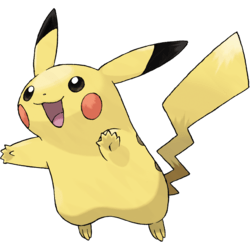 terest.
This past Saturday, Niantic sponsored Pokemon Go Fest in Chicago. And it was a disaster. Trainers waited in three-hour lines to get into the Grant Park–the venue in which Pokemon Go Fest took place. Once trainers got into Grant Park, many were unable to access Pokemon Go because of connectivity issues. Niantic tried to reduce trainers’ angst by refunding all tickets to the event, providing attendees with $100 of in-game credits, and a Lugia.
Seriously. A Lugia.
 Trump’s “travel bans” have been the linchpin for the “resistance.” After Trump signed his first executive order restricting travel from seven predominately Muslim countries, many individuals who are lawful residents were held up at airports across America. Quickly, the Ninth Circuit stayed the enforcement of this order. In response to the Ninth Circuit’s ruling, Trump issued a second order to clean up some of deficiencies of his first order. Namely, EO-2 clarifies that legal residents are not affected by the order.
 Nhan Stop