Regardless of who wins Super Bowl LI today, San Diego taxpayers are the winners of this NFL season.
Last month, Dean Spanos—the Art Modell (or Robert Isray) of the West—relocated his Chargers 100 miles north to Los Angeles. Ron Burgundy would be proud. The Chargers’ stint in Los Angeles has been off to an acrimonious start. Their new logo became an internet meme. Anthony Lynn, the Chargers’ new head coach, forgot what city he will be coaching in. The NFL is mad that the Chargers left San Diego. And Los Angeles declared in no uncertain terms: WE.DON’T.WANT.YOU.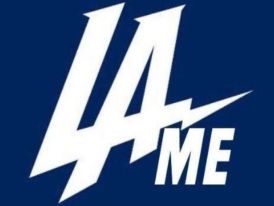
Possibly the worst part of this story is their new housing situations. Before they become Stan Kroenke’s tenant, they will play fourteen home games (discounting their two games against the Raiders) in the 30,000 seat Stub Hub Center. 30,000 seats. That is awfully small for an NFL game. It is like your 70-year old grandma downsizing—except it’s with a multi-billion-dollar sports franchise.
With Dean Spanos, Los Angeles, the NFL, and the Chargers in a Charlie Foxtrot, are there any winners? Answer: San Diego taxpayers.
For at least fourteen years, the Chargers have been trying to get San Diego to finance a new stadium for it. Although Spanos offered to pony up some of the money for a new stadium, but the Chargers still expected the public or NFL to pay for a new venue. San Diego voters never budged. They overwhelmingly rejected two hotel-tax increases to fund a new stadium.
Good on them! Studies consistently show that sports stadiums are a drain on local economies. Plus, new sports stadiums don’t bring the economic revitalization they promise. These venues host a limited number of events annually and people tend to spend less on other entertainment if they are attending sports stadiums to watch games or concerts. And worse yet, sports stadiums often require significant use of eminent domain, thus trampling on private property rights.
Fortunately for San Diegans, reports indicate that the city is a front runner to receive a Major League Soccer team. Better yet, if the MLS moves to San Diego, it appears that any new stadium will be privately financed and eminent domain will not have to be used.
Indeed, the MLS may be a boon for San Diego. Previously, the reigning MLS champions Seattle Sounders filled in quite nicely when another major four sports team—the former Seattle Supersoncis—bolted for Oklahoma City. Today, the Sounders undoubtedly have one of the top MLS fan bases. A MLS team in San Diego may have the same impact on the community as the Sounders on Seattle.
On this Super Bowl Sunday, don’t cry a river for San Diego. They dodged a bullet, i.e. lining Dean Spanos’s pockets, and they may get a MLS team at no (or little cost) to its taxpayers.
 Nhan Stop